
MUSICAL THEATRE CLASS

Classes
Class Styles ...
Ballet
Ballet is a type of performance dance that originated in the Italian Renaissance courts of the 15th century and later developed into a concert dance form in France and Russia. It has since become a widespread, highly technical form of dance with its own vocabulary based on French terminology.
Tap
Tap dance is an example of a non-partnered dance that is generally choreographed, with one or more participating dancers. A rhythmical tapping sound is attained by the dancer from the small metal plates on the dancer's shoes. It is in his way that the dancer also becomes a percussive musician. Tap dance is often characterized by syncopation and improvisation
Jazz
Jazz dancing is a form of dance that showcases a dancer's individual style and originality.
Every jazz dancer interprets and executes moves and steps in their own way. This type of dancing is energetic and fun, consisting of unique moves, fancy footwork, big leaps and quick turns
Contemporary
Contemporary dance is a style of expressive dance that combines elements of several dance genres including modern, jazz, lyrical and classical ballet. Contemporary dancers strive to connect the mind and the body through fluid dance movements.
Contemporary dance stresses versatility and improvisation, unlike the strict, structured nature of ballet. Contemporary dancers focus on floorwork, using gravity to pull them down to the floor.
This dance genre is often done in bare feet. Contemporary dance can be performed to many different styles of music.
Lyrical
Lyrical dance is a style that combines ballet and jazz dancing techniques.
It is performed to music with lyrics so that it inspires expression of strong emotions the choreographer feels from the lyrics of the song.
This style concentrates on an individual approach and expressiveness of such emotions as love, joy, and anger. It does not concentrate on the dancer’s precision of movement.
Acrobatics
Acrobatics is the art of blending dance movement and tumbling.
It includes strength training and in depth stretching. Incorporated into dance, acro adds a spectacular, showy, and startling performance and demonstration involving great agility and complexity.
Street Dance / Commercial
Street dance is an umbrella term which encompasses a range of dance styles characterised by descriptions such as hip hop, funk and breakdancing.
Commercial dance is a high-energy, versatile style blending jazz, hip-hop, street, contemporary, and other genres, designed for visual impact in music videos, concerts, films, and TV, focusing on performance, trends, and audience engagement rather than strict technique. It's characterized by bold, eye-catching moves, often incorporating the raw energy of street dance with polished entertainment flair, making it perfect for the commercial entertainment industry.
Cheerleading
Cheer usually involves dances, tumbles, jumps, cheers, and stunts.
In its original form, cheerdancing was done to encourage a sports team – often referred to as cheerleading in this context – by directing the audience to show support, providing the team with motivation and a psychological edge in the game.
Technique
A technique class, especially in dance, focuses on building fundamental physical skills like strength, flexibility, balance, and control, rather than learning choreography, to improve overall performance in specific styles (like ballet, jazz, or Graham modern) through targeted exercises, stretching, and core work, making dancers more precise, powerful, and injury-resistant.
Musical Theatre
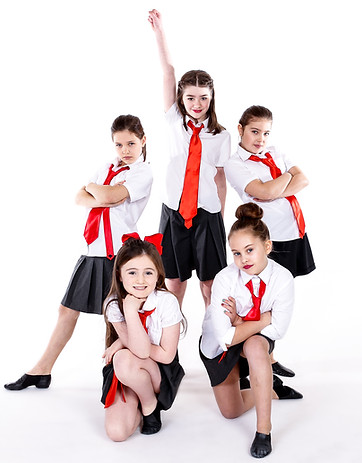
A musical theatre class is a performing arts training experience that combines acting, singing, and dancing to shape well-rounded performers. Students learn vocal technique, character development, stage presence, and choreography, often working toward full production showcases. These classes build confidence, teamwork, and communication skills while integrating key elements of drama, voice, and dance. With an emphasis on storytelling through song and movement, they prepare students for the demands of professional theatre.
Drama
Drama develops acting, communication, and performance skills through activities such as improvisation, scene work, voice training, and script analysis. Its goal is to build confidence, creativity, empathy, and teamwork, equipping students with abilities that serve them both onstage and in everyday life, whether they pursue careers in theatre, film, or beyond.


